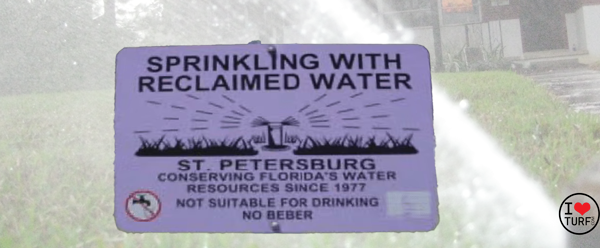
What is Reclaimed Water
Reclaimed water is treated wastewater. And wastewater is sewage. And sewage is the water that goes down the drain in homes, businesses, and facilities, along with industrial sewage and stormwater, and is carried away to sewage treatment plants where it is treated to become treated sewage or treated wastewater or reclaimed water.
Why use Reclaimed Water to Irrigate Lawns
Spray irrigating reclaimed water onto a grass field is one of the best methods to reintroduce reclaimed water back into the environment. It was widespread practice for wastewater treatment plants to spray irrigate reclaimed water onto acres of grass fields to dispose of reclaimed water.
Soil covered with grass is a natural biological filter using soil microbes to break down organic wastes. Good for the grass because the byproducts of the microbial breakdown of organic waste are plant nutrients (Nitrogen being one nutrient). Good for the environment because the reclaimed water is no longer polluted.
Then someone got the bright idea to pipe the reclaimed water back to the community to irrigate lawns instead of spraying it onto a vacant field near the treatment plant (get the connection: grass fields - lawns). No longer would the county have to maintain the irrigation system, mow the fields, or use acres of land that could be put to a higher and better use. All they need to do is install and maintain a reclaimed water supply system – something they were already doing with potable water.
Citizens Helping our Community
When you use reclaimed water to irrigate your lawn and landscape, you provide a service to the community. You provide the land, the grass field, and the irrigation system to properly dispose of reclaimed water. That was a win-win solution for everyone.
Reclaimed Water Evolved
However, our governing bodies don’t see it that way. Policy makers view reclaimed water restrictions as a tool to influence how residents landscape their homes and use water. For instance, limiting lawn watering to once a week forces homeowners to reconsider their landscaping choices, potentially favoring drought-tolerant plants or reducing lawn size to comply with strict regulations.
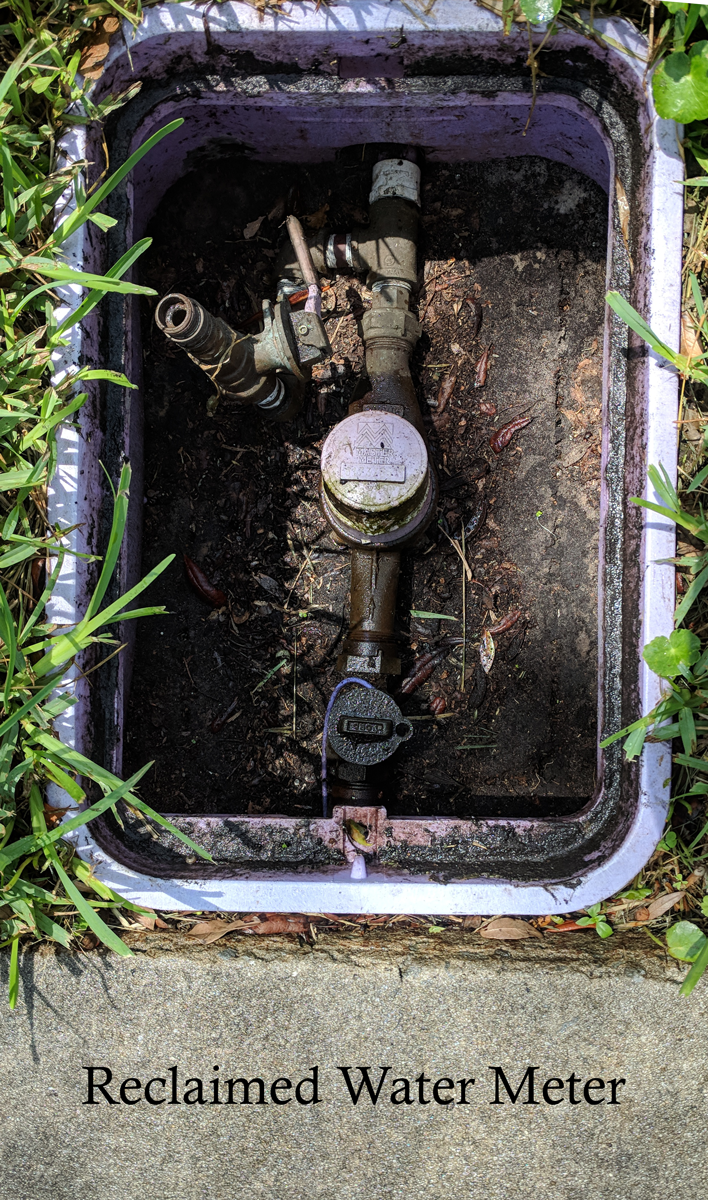
Recently, local governments have begun viewing reclaimed water as a potential revenue stream. They now charge by the gallon, so you can provide the land, the grass field, and the irrigation system to properly dispose of reclaimed water.
Reclaimed water use by residents evolved from a win-win solution to a government overreach problem.