Farming and Your Lawn
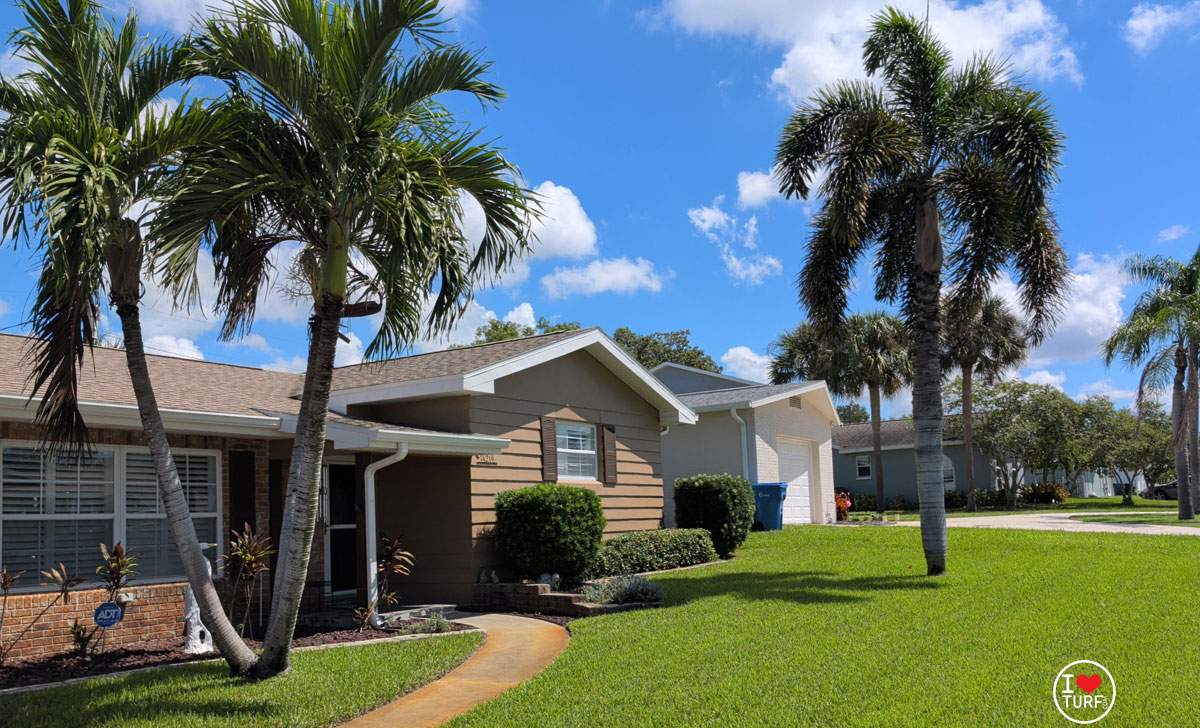
Growing a lawn is a lot like farming. There are good years, and then there are bad years. 2025 through 2026 were bad years to grow a lawn. Extreme heat, months without rain, and draconian once-a-week water restrictions resulted in two of the worst years I’ve experienced growing a lawn. Every Pinellas lawn is damaged (except those that cheated by watering more than once a week).
Sandy Soil
Pinellas sandy soil has no water-holding capacity, no ability to store water, and goes from saturated to bone dry in 3 days. If your lawn isn't watered by the third day, parts of it will perish, open, sunny areas first, followed by the rest of your lawn. On a hot day, St Augustine grass rooted in a bone-dry sandy soil will perish in hours.
Once Week Watering Will Kill Your Lawn
If the lawn needs water every three days, it is easy to see that watering every 7 days is not enough to keep your lawn alive. The optimum irrigation schedule would be every other day. The minimum irrigation schedule would be every three days.
The hot, dry weather of the last two years alone would be difficult times to grow a lawn. Add government regulations to further starve your lawn of water, and it would be impossible to have a thriving, healthy lawn.
There is No Substitute for Water
The only solution for a dehydrated lawn is water. Yes, reduced mowing, a tall canopy, and reduced traffic can help delay the death of your lawn from dehydration, but only water can keep it from eventually dying. The only solution that will work is to allow self-supplied (non-potable) irrigation at least 3x per week, and restrict potable water use for lawns.
The Government Regulators and Your Lawn
The government regulators don’t want you to have a beautiful lawn. That is not their goal. Their goal is to have you use less potable water, and they believe destroying your lawn will help them achieve that goal.
Turf Policy Watch
We have been gaslit into believing that Florida has a water shortage and have caved to whatever the regulators demand. Therein lies the problem – no pushback. We folded like a cheap beach chair even though we live in a water-rich state. It is time for some pushback.
Turf Policy Watch (TPW) was created to push back against draconian water restrictions. You can help by forwarding this article to others and signing up for our newsletter here. When you subscribe to Turf Policy Watch, you join a growing group of Pinellas homeowners who want to restore our water rights. Turf Policy Watch's goal is 1000 subscribers – a grassroots organization that can make a difference.